It is important to be as prepared as possible when it comes to the health and safety of yourself and your family. Even employers need to consider medical care for everyone in their business. Understanding what is first aid kit and their uses can help you to ensure the safety of everyone around you.
In this guide, we will explore the most common first aid treatments as well as the most important items to have in a first aid kit for assessing and treating injuries.
What Is a First Aid Kit?
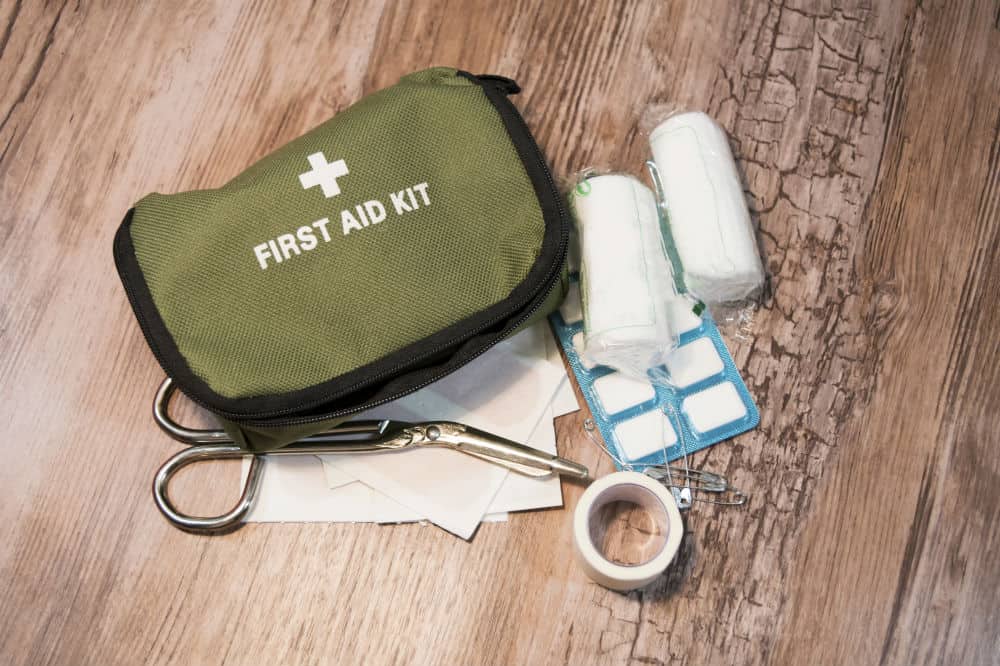
First aid kits are an essential part of emergencies and survival. They are typically designed for a wide variety of purposes. With that said, the most common first aid kits are curated to assist with minor injuries.
You can also find specialty first aid kits that relate to specific types of medical emergencies. For example, there are trauma kits, allergy kits, and survival kits. Most will contain the same basic components, ranging from multiple types of bandages to ointments. Specialty kits will typically include several additional items such as antihistamines, tourniquets, or trauma pads.
It is easy to find pre-made first aid kits that have most everything you’ll need while dealing with a medical emergency. Alternatively, you can create your own kit at home that has everything you think you’ll need. It is highly recommended to purchase a pre-made kit and add extra items to it.
The primary purpose of a first aid kit is to give you immediate solutions to cuts, scrapes, burns, insect bites, and more. It is also an essential life-saving tool to have on hand until professional medical help arrives.
The Most Common First Aid Treatments

It is likely you’ve reached for a first aid kit at least once in your life. Many people assume that they are only useful for serious injuries when, in fact, they can be quite useful for everyday cuts and scrapes as well.
The first step to knowing what is first aid kit and their uses is to identify the most common first aid treatments you’ll need to administer. It is highly recommended that you also read the first aid booklet included with your kit. It will include treatment instructions and more information about common ailments.
- Shock: In an accident, shock is an incredibly normal response to a traumatic incident. With that said, you’ll need to keep the victim warm to prevent hypothermia.
- Bleeding: Arguably the most common injury remedied with the help of a first aid kit, applying pressure to the wound can typically treat bleeding. For more minor injuries, you can treat the area with an antiseptic solution and affix a bandage. Serious situations will require packing materials.
- Burns: It is far easier to burn yourself than you might have thought. With the help of burn creams and sterile gauze, you’ll be able to treat minor burns successfully. For major burns, you will need to seek medical assistance.
- Broken and Dislocated Bones: Most first aid kits are equipped with everything you need to make temporary slings and splints. For broken and dislocated bones, you’ll need to apply first aid and immediately seek medical assistance.
- Eye Injuries: Depending on the type of injury, there are two items in your first aid kit to reach for—eye pads and eyewash. Wash the affected area using the special eyewash and then apply the sterile eye pad. Then, seek medical attention immediately.
- Swelling: Cold compresses are a common item to find in first aid kits, and if yours doesn’t have one, it’s essential that you invest in some. With swelling, you apply the cold compress to the affected area, and it will typically go away on its own.
- Stings and Bites: As essential as insects are to the ecosystem, some are also hazardous to the health of humans. Stings and bites can be treated using tweezers, alcohol prep pads, sting relief ointment, and sterile gauze or bandages. Remove the stinger (if necessary), clean the area, apply the sting relief cream, and then apply a sterile bandage.
- Scrapes: When encountering a scrape, the first thing to do is debride the area using tweezers. You will then want to apply a solution to the affected area such as alcohol or antibiotic ointment. After that, finish the treatment with a sterile bandage or gauze along with some medical tape.
What to Have in a First Aid Kit

Now that you have a clear understanding of the most common medical issues you will have to treat with your first aid kit, it’s important to make sure your chosen kit has the following items:
- Antibiotic ointment
- Antiseptic solution
- Tweezers
- Scissors
- Safety pins
- Sewing kit
- Sting relief cream
- Sterile gauze
- Medical tape
- Sterile bandages (various sizes)
- Burn cream
- Pain relief medications
- Emergency blanket
- Poncho
- Splints
- Cold compresses
- Eyewash
- Eye pads
Final Thoughts
Knowing what is first aid kit and their uses are essential for administering the right first aid treatment. Having everything you need is the first step; however, knowing how to use it all is just as important. With this, you’ll feel more prepared when faced with an emergency.